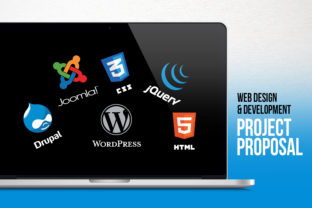
Web Design Development Template: A Powerful Tool for Streamlining Your Digital Projects
In the fast-paced world of digital design, having a reliable and adaptable web design development template can make all the difference. Whether you're an independent designer, a small business owner, or part of a larger creative team, these templates offer a structured foundation that supports both efficiency and creativity. Understanding how to integrate a web design development template into your workflow can help you deliver high-quality results faster, while maintaining a professional and consistent visual identity.
What Is a Web Design Development Template?
A web design development template is a pre-designed framework that provides a starting point for building websites. It includes layout structures, color schemes, typography, and other design elements that can be customized to fit specific project needs. These templates are often used in conjunction with content management systems (CMS), design software, or presentation tools to streamline the development process.
For professionals, a web design development template serves as a blueprint. It allows you to focus on the unique aspects of your project—such as branding, user experience, and functionality—without having to start from scratch. This is especially useful when working under tight deadlines or managing multiple projects simultaneously.
Where Does It Fit in the Broader Process?
The web design development template can be integrated at various stages of a project. Before beginning a new website, it helps establish a clear direction and visual language. During the development phase, it ensures consistency across pages and components. After launch, it can be revisited for updates, maintenance, or rebranding efforts.
For example, when planning a new website for a client, using a web design development template can help you quickly prototype different layouts and gather feedback. This approach saves time and reduces the risk of costly revisions later in the process. Similarly, during the execution phase, the template acts as a reference point, ensuring that all elements align with the original vision.
How to Use a Web Design Development Template Effectively
Using a web design development template is not just about applying a pre-made design—it's about leveraging a tool that supports your creative and technical workflows. Here are some practical ways to use it effectively:
- Before a Project: Use the template to outline key sections, define brand guidelines, and set up a structure for content creation.
- During a Project: Customize the template to match the specific needs of your client or business. Adjust colors, fonts, and layouts to reflect the desired aesthetic.
- After a Project: Reuse the template for future projects, making it easier to maintain consistency across multiple websites or campaigns.
By incorporating a web design development template early in the process, you can create a more organized and efficient workflow. This is particularly beneficial for teams that need to collaborate on multiple projects simultaneously.
Integration with Other Tools and Resources
A web design development template works best when combined with other design and development tools. For instance, integrating it with a design platform like Adobe XD or Figma allows for seamless prototyping and collaboration. Similarly, pairing it with a CMS such as WordPress or Drupal enables easy content management and updates.
Additionally, many web design development templates include features like custom sliders, animated effects, and responsive layouts. These elements enhance the user experience and ensure that the final product is both visually appealing and functional across different devices.
When selecting a template, consider its compatibility with other tools you already use. A well-integrated template can save time and reduce the learning curve associated with new software or platforms.
Practical Implementation Tips
To get the most out of a web design development template, follow these implementation tips:
- Customize Thoughtfully: Don't just apply the template as-is. Tailor it to match your brand’s identity, audience, and goals.
- Keep It Organized: Maintain a clear structure for files, assets, and code. This makes it easier to update or modify the template in the future.
- Test Across Devices: Ensure that the template is fully responsive and functions properly on desktops, tablets, and mobile devices.
- Document Changes: Keep track of any modifications you make to the template. This helps with future updates and troubleshooting.
These practices not only improve the quality of your work but also contribute to long-term efficiency and scalability.
Factors to Consider for Long-Term Use
When choosing a web design development template, consider factors such as usability, flexibility, and support. A template that is easy to edit and customize can save you time and effort in the long run. Additionally, look for one that offers regular updates and compatibility with the latest web standards.
Consistency is another important factor. A well-designed template should maintain a cohesive look and feel across all pages and sections. This helps reinforce brand recognition and improves the overall user experience.
Finally, think about the template’s scalability. As your business grows or your design needs evolve, you should be able to adapt the template without major overhauls. This ensures that your digital presence remains relevant and effective over time.
Conclusion: Embrace the Power of a Web Design Development Template
A web design development template is more than just a design tool—it's a strategic asset that can enhance your workflow, improve project outcomes, and support long-term growth. By understanding how to use it effectively and integrating it with other resources, you can streamline your design process and deliver high-quality results consistently.
Whether you're launching a new website, redesigning an existing one, or preparing a client presentation, a well-chosen web design development template can provide the structure and flexibility needed to succeed. With the right approach, it becomes an essential part of your digital toolkit, helping you stay organized, efficient, and focused on what truly matters: creating value for your clients and users.