Exploring the World of Children’s Toys: Design Elements and Creative Play
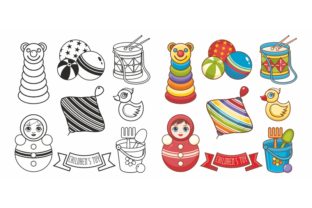
In today’s fast-paced world, children's toys play a vital role in development, creativity, and entertainment. From simple spinning tops to colorful balls and intricate tumbler dolls, these items are more than just playthings—they are tools for learning and growth. This article explores the design elements of various children's toys, including the Roly Poly tumbler doll, Whirligig Humming top, Peg toy, yellow duck, pyramid, drum, and kids' play balls. Whether you're a parent, educator, or creative professional, understanding the significance of these toys can enhance your approach to child development and design.
The Importance of Toy Design in Child Development
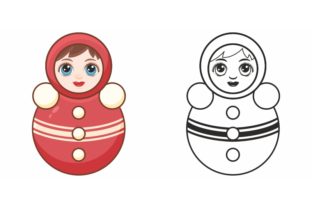
Toy design is not just about aesthetics; it’s about functionality, safety, and engagement. When designing children's toys, creators must consider factors such as age appropriateness, durability, and sensory stimulation. For instance, a Roly Poly tumbler doll is designed to wobble and return to an upright position, encouraging balance and motor skills in young children. Similarly, a Whirligig Humming top introduces concepts of motion and physics through its spinning mechanism.
These toys also serve as educational tools. A pyramid toy, for example, helps children learn about shapes, sizes, and spatial relationships. A drum encourages rhythm and musical awareness, while a yellow duck or beach ball promotes imaginative play and social interaction. Each toy is crafted with specific developmental goals in mind, making them essential components of early childhood education.
Understanding Key Toy Types and Their Features
There are numerous types of children's toys, each with unique features that cater to different developmental stages. Let's explore some of the most popular ones:
- Roly Poly Tumbler Doll: Known for its ability to wobble and stand back up, this toy is ideal for infants and toddlers. Its rounded shape and soft materials make it safe for little hands.
- Whirligig Humming Top: This spinning toy captivates children with its motion and sound. It teaches concepts like balance, momentum, and cause and effect.
- Peg Toy: Often used in Montessori settings, peg toys help develop fine motor skills and hand-eye coordination.
- Yellow Duck: A classic bath toy, the yellow duck encourages water play and sensory exploration.
- Pyramid: These stacking toys promote problem-solving and cognitive development.
- Drum: Playing with a drum enhances rhythm, listening skills, and creativity.
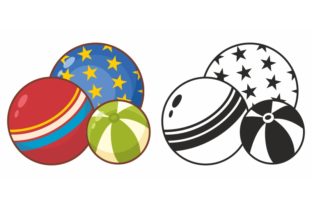
- Kids’ Play Balls: Whether it's a beach ball or a soft ball, these toys encourage physical activity and social interaction.
Each of these toys contributes to a child's growth in unique ways, making them valuable additions to any playroom or educational setting.
How Design Elements Influence Toy Functionality
The design of a toy directly impacts how it is used and what it teaches. For example, the shape of a Roly Poly tumbler doll is carefully engineered to allow it to rock and spin without falling over. The material used—often soft plastic or fabric—ensures safety while maintaining durability. Similarly, the structure of a pyramid toy is designed to be stackable, allowing children to experiment with balance and stability.
Color and texture also play a significant role in toy design. Bright colors attract attention and stimulate visual development, while varied textures provide sensory input. A drum, for instance, may have a smooth surface for tapping and a bumpy surface for tactile exploration. These elements make toys more engaging and effective for learning.
Applications Beyond Play: Creativity and Business
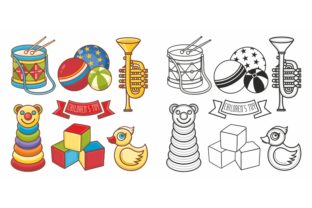
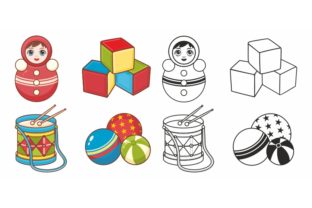
Children's toys are not only for play; they also have practical applications in various fields. For instance, the images from a set of children's toys can be used in digital and print media. These illustrations are perfect for baby shower invitations, logo designs, scrapbooking, custom invitations, greeting cards, stickers, t-shirts, wall art, and web design. The versatility of these designs makes them valuable assets for creatives and entrepreneurs.
For example, a designer might use a Roly Poly tumbler doll image to create a whimsical logo for a children's brand. A teacher could incorporate a pyramid toy into a lesson on geometry. A parent might use a yellow duck illustration to make a personalized storybook for their child. The possibilities are endless, showcasing the wide-ranging impact of toy design.
Choosing the Right Toy for Your Needs
Selecting the right toy depends on several factors, including the child's age, interests, and developmental stage. For infants, soft and safe toys like the Roly Poly tumbler doll are ideal. Toddlers may benefit from interactive toys such as the Whirligig Humming top, which encourages movement and exploration. Older children might enjoy more complex toys like a drum or a set of play balls that promote physical activity and teamwork.
It's also important to consider the purpose of the toy. If you're looking for a toy that supports motor skill development, a peg toy or a pyramid might be a good choice. For creative expression, a drum or a set of colorful balls could be more suitable. Understanding the function of each toy helps ensure that it meets the needs of both the child and the user.
Conclusion: Embracing the Power of Play
Children's toys are more than just objects of entertainment; they are essential tools for learning, growth, and creativity. From the simple motion of a Roly Poly tumbler doll to the complex design of a pyramid, each toy offers unique benefits. By understanding the design elements and purposes of these toys, parents, educators, and designers can make informed choices that support child development and inspire creativity.
Whether you're looking for a fun way to engage your child or seeking inspiration for a creative project, children's toys provide endless opportunities. With the right design and purpose, these toys can enrich lives and foster a love of learning from an early age.